














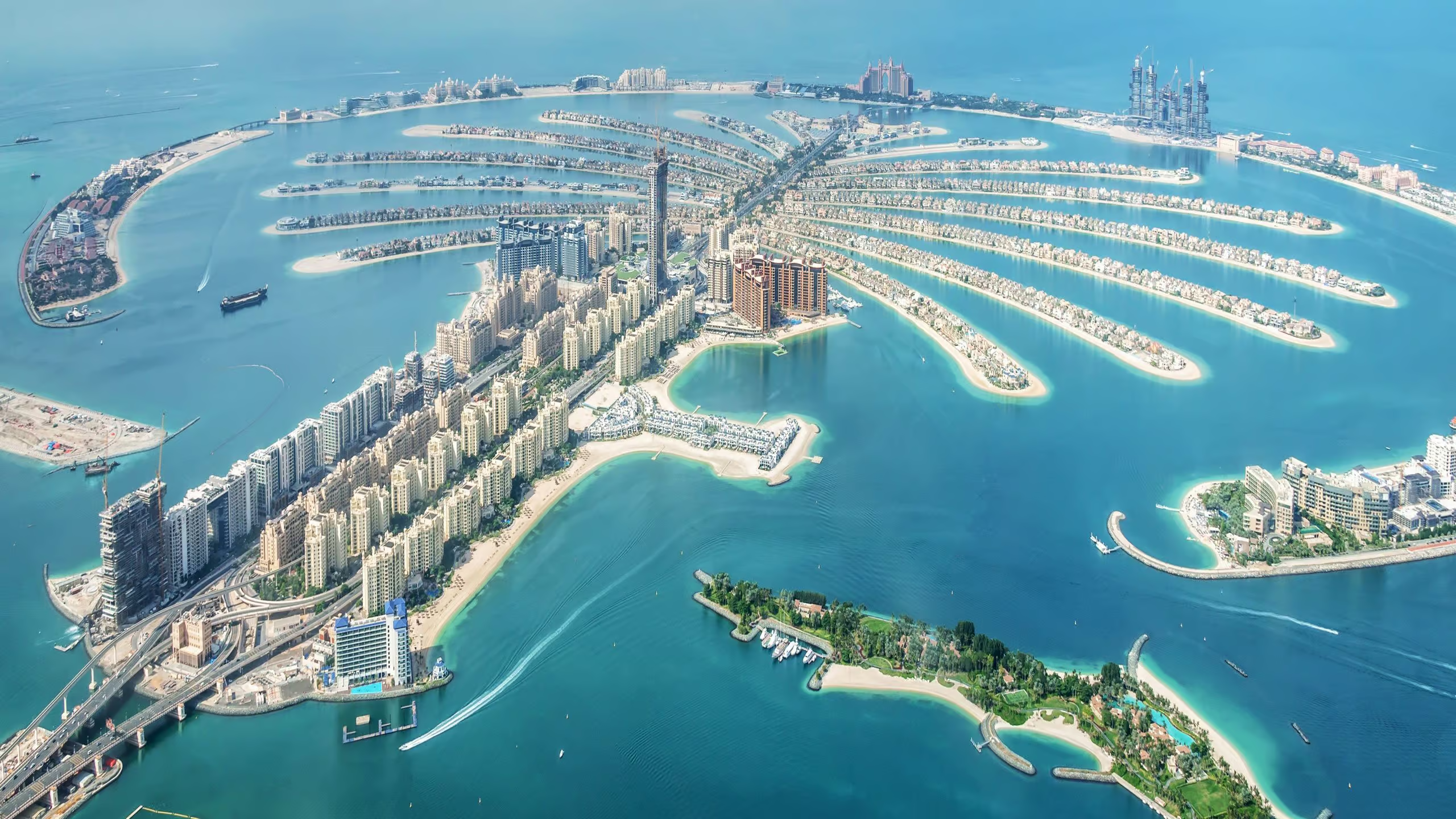
A Practical Guide for Irish Investors
Dubai is not a single property market. It is made up of very different districts, each with its own pricing, demand drivers, rental profiles, and long-term growth characteristics.
For Irish investors considering off-plan property in Dubai, understanding geography is just as important as understanding payment plans or developer reputation.
This guide provides a clear, practical overview of Dubai’s key residential areas, how they differ, and how investors should think about short-, medium-, and long-term opportunities.
Why Geography Matters in Dubai
Dubai has grown rapidly over the last two decades, but growth has not been even across all areas.
Some districts are mature and highly sought after by end users. Others are newer, more affordable, and attractive to yield-focused investors. Some are long-term infrastructure plays where capital appreciation is the main objective.
Buying in the right location for your strategy is what separates strong investments from average ones.
How Dubai Is Structured
Dubai residential property can broadly be grouped into four geographic categories:
- Established lifestyle communities
- Central business and rental hubs
- Emerging growth corridors
- Long-term master-planned districts
Each category plays a different role in an investor portfolio.
Established Lifestyle Communities
These areas are typically master-planned, green, family-oriented, and built by tier-one developers.
Examples
Dubai Hills Estate, Arabian Ranches, and parts of Mohammed Bin Rashid City.
Key Characteristics
- Strong end-user demand
- Higher entry prices
- Excellent long-term capital appreciation
- Lower rental yields compared to entry-level areas
These locations suit investors who prioritise stability, resale demand, and long-term growth rather than maximum yield.
Dubai Hills Estate has become particularly popular with Irish buyers seeking a balance between lifestyle appeal and investment fundamentals.
Central Rental and Business Hubs
These are high-density areas close to employment zones, transport links, and commercial districts.
Examples
Jumeirah Lake Towers, Business Bay, and Dubai Marina.
Key Characteristics
- Consistent rental demand
- Strong short- and medium-term yields
- High resale liquidity
- Popular with professionals and tenants
These areas are ideal for investors focused on rental income and flexibility. Off-plan projects in these locations often perform well after handover, especially when developed by reputable builders.
Emerging Growth Corridors
Emerging areas offer lower entry prices and are driven by new infrastructure, improved transport links, and expanding communities.
Examples
Arjan, Dubai South, and parts of Dubailand.
Key Characteristics
- More affordable price points
- Attractive payment plans
- Higher potential yields
- Medium-term capital growth
Arjan has become particularly popular due to its proximity to established areas while still offering competitive pricing.
Long-Term Master-Planned Districts
These are large-scale developments backed by long-term government planning and infrastructure investment.
Examples
Mohammed Bin Rashid City, Dubai Creek Harbour, and Dubai Islands.
Key Characteristics
- Longer development timelines
- Significant future infrastructure
- Strong branding and master planning
- Best suited for patient investors
These locations focus less on immediate returns and more on positioning for future growth over a five- to ten-year horizon.
Matching Location to Investor Strategy
Every investor is different. The right area depends on individual objectives.
Short-Term Rental Focus
Central hubs and rental-driven emerging areas.
Balanced Investment
Established communities with strong developer backing.
Long-Term Capital Growth
Master-planned and future-focused districts.
Understanding this alignment is far more important than chasing short-term trends or headlines.
Final Thoughts
Dubai offers a wide range of off-plan opportunities, but success depends on choosing the right location for your goals.
At DubaiOffPlan.ie, we work with Irish and international buyers to match investment objectives with the most suitable areas, developers, and projects across Dubai.
In the next blog, we will explore how off-plan payment plans work in Dubai and how Irish investors can manage risk while maximising returns.
Availability, pricing, and returns vary by project and are subject to change.